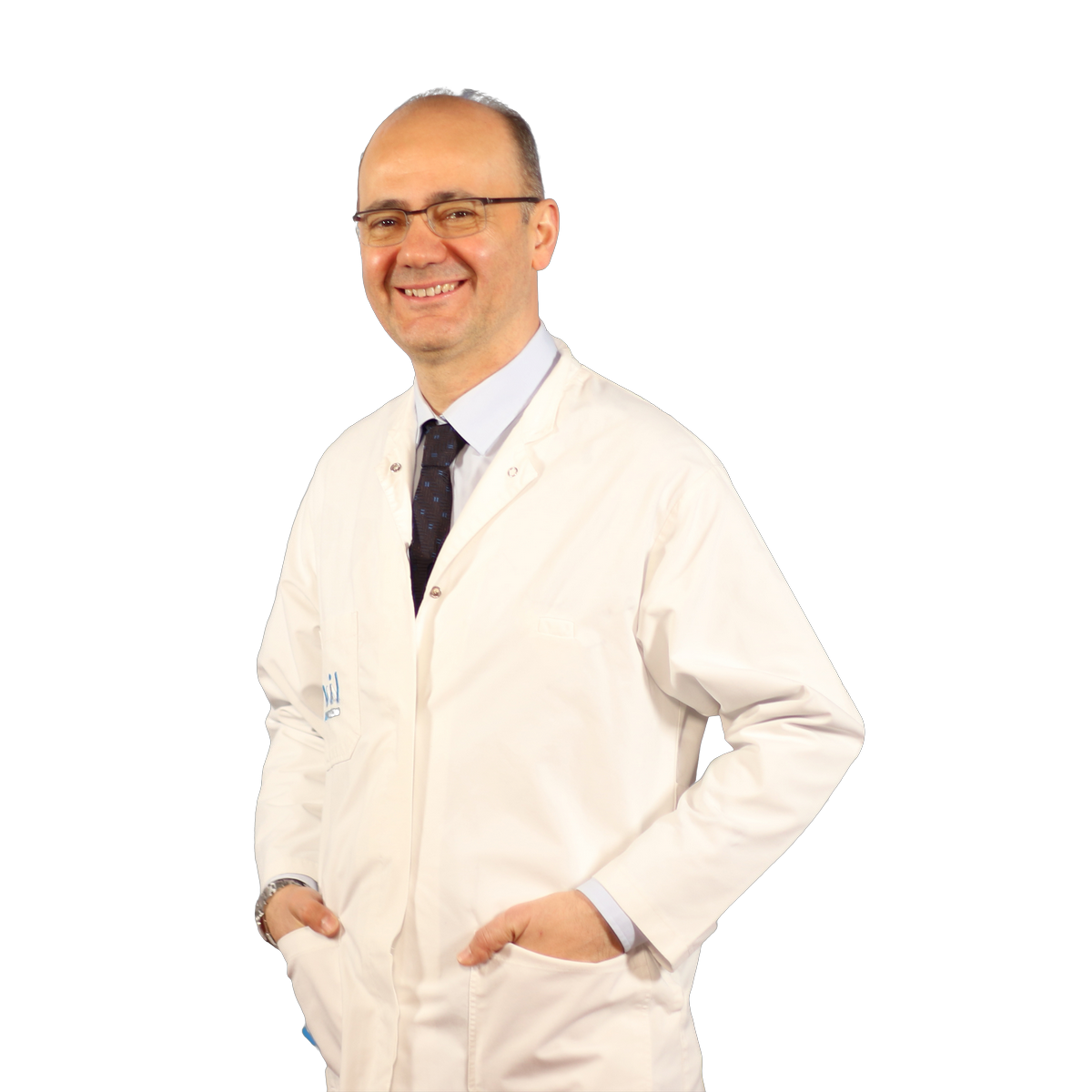
İstanbul Üniversitesi İstanbul Tıp Fakültesi Genel Cerrahi Anabilim Dalı
İstanbul Üniversitesi İstanbul Tıp Fakültesi Genel Cerrahi Anabilim Dalı
Anal fissure causes severe pain during bowel movements. Conservative treatment, botulinum toxin, and sphincterotomy provide permanent relief.
An anal fissure is a small longitudinal tear or crack in the lining (mucosa) of the anal canal, typically located in the posterior midline. It is one of the most common proctological conditions, affecting people of all ages, and is particularly prevalent in young adults.
Fissures are classified as acute (less than 6 weeks) or chronic (more than 6 weeks, often associated with a sentinel pile and exposed internal sphincter fibers). Chronic fissures rarely heal without medical or surgical treatment.
📌 Important: Rectal bleeding is not always caused by an anal fissure. Colorectal cancer and inflammatory bowel disease can also present with bleeding. A proctological examination is essential to confirm the diagnosis.
Rectal bleeding, severe anal pain, or symptoms persisting beyond 4–6 weeks require professional evaluation. Do not self-diagnose — colorectal cancer must be excluded.
Treatment is tailored to the duration and severity of the fissure. Acute fissures are managed conservatively; chronic or recurrent fissures typically require intervention.
A high-fiber diet (vegetables, fruits, whole grains) and adequate fluid intake soften stools and reduce straining. Warm sitz baths 2–3 times daily improve local blood flow and relieve sphincter spasm. Topical anesthetic creams provide short-term pain relief.
Topical nitroglycerin (0.2–0.4%) or diltiazem cream relaxes the internal sphincter and improves anodermal blood supply, promoting healing in acute and mild chronic fissures. Applied 2–3 times daily for 6–8 weeks.
Botulinum toxin (Botox) is injected into the internal anal sphincter, temporarily reducing resting pressure and allowing the fissure to heal. The procedure takes approximately 5–10 minutes under local anesthesia in an outpatient setting.
Success rate is approximately 60–80% for chronic fissures. The effect lasts 2–3 months; the fissure typically heals within this period. If healing is incomplete, a repeat injection or surgical sphincterotomy may be considered.
Lateral internal sphincterotomy (LIS) is the gold-standard surgical treatment for chronic anal fissures refractory to conservative management. A small portion of the internal anal sphincter is divided laterally, permanently reducing resting pressure and restoring blood supply to the posterior commissure.
Prof. Dr. Hakan Yanar performs LIS under local or spinal anesthesia. The procedure takes 20–30 minutes; patients are discharged the same day. The fissure heals in 4–8 weeks with a success rate exceeding 90%.
Prof. Dr. Hakan Yanar performs proctological procedures at Liv Hospital Ulus, Beşiktaş, Istanbul. Consultations and treatment are available in English, French, and Russian for international patients.
Contact Prof. Dr. Hakan Yanar for evaluation and treatment in Istanbul.